
Download Yuzu Emulator for Linux (Ubuntu, Fedora, Arch)
Download Yuzu Emulator for Linux to play your favorite Nintendo Switch games on desktop environments like Ubuntu, Fedora, and Arch Linux.
With support for Vulkan and OpenGL, Yuzu runs most Switch titles smoothly, offering a powerful open-source gaming experience.
If you’re using another platform, get the Yuzu Emulator for Windows or Android version instead.
You can download the latest Yuzu Emulator for Linux safely from the official link below. It’s available as an AppImage, Flatpak, or can be built from source for advanced users.
System Requirements for Yuzu Emulator on Linux
Before installing Yuzu Emulator on Linux, it’s important to ensure your system meets these requirements before installing. Linux builds generally perform better with Vulkan API and updated GPU drivers.
Minimum Requirements:
Recommended Requirements:
Pro Tip:
Keeping your GPU drivers updated and using a modern CPU/GPU combination improves frame rates, reduces crashes, and ensures that advanced features like Vulkan graphics, resolution scaling, and multiplayer work seamlessly.
How to Download and Install Yuzu Emulator on Linux
Installing Yuzu Emulator on Linux is simple and lets you enjoy Nintendo Switch games directly on your PC. You can download the emulator safely from Yuzu Emulator Online, which provides the latest Linux-compatible version.
Here’s a detailed, step-by-step guide to make it easy for you:
Step 1: Access the Download Page
Before you can install Yuzu, you need to get the correct setup file for Linux. Go to Yuzu Emulator Official Download Page and choose your Linux file.
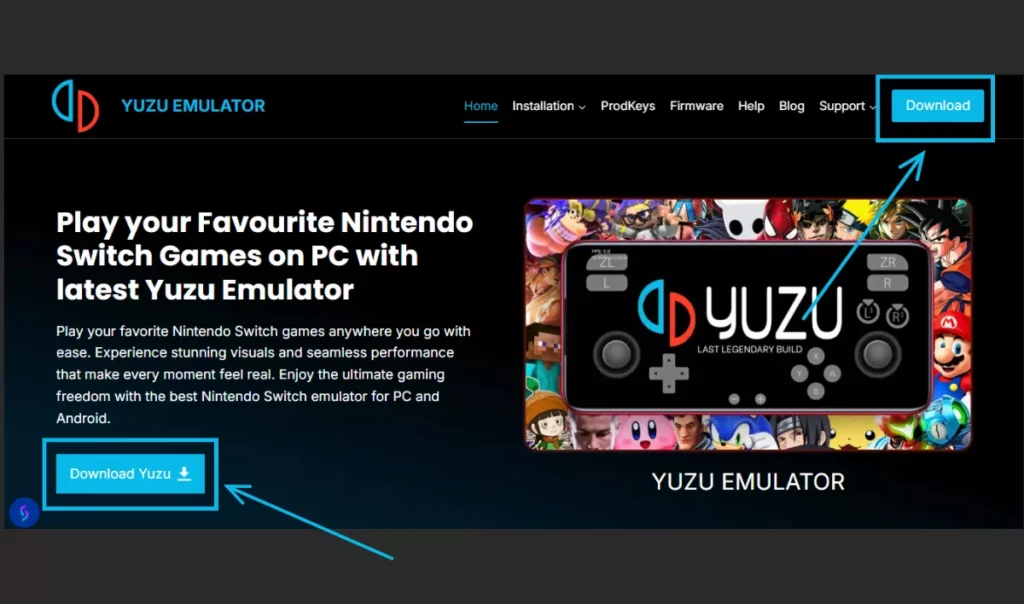
Clicking either button will take you to the Yuzu download page.
Step 2: Select Linux on the Download Page
The download page provides options for different platforms, such as Windows, Linux, and Android. It’s important to select the correct platform to avoid compatibility issues.
- On the download page, you will see three options for the operating system.
- Click on Linux to access the latest version of Yuzu for your system.
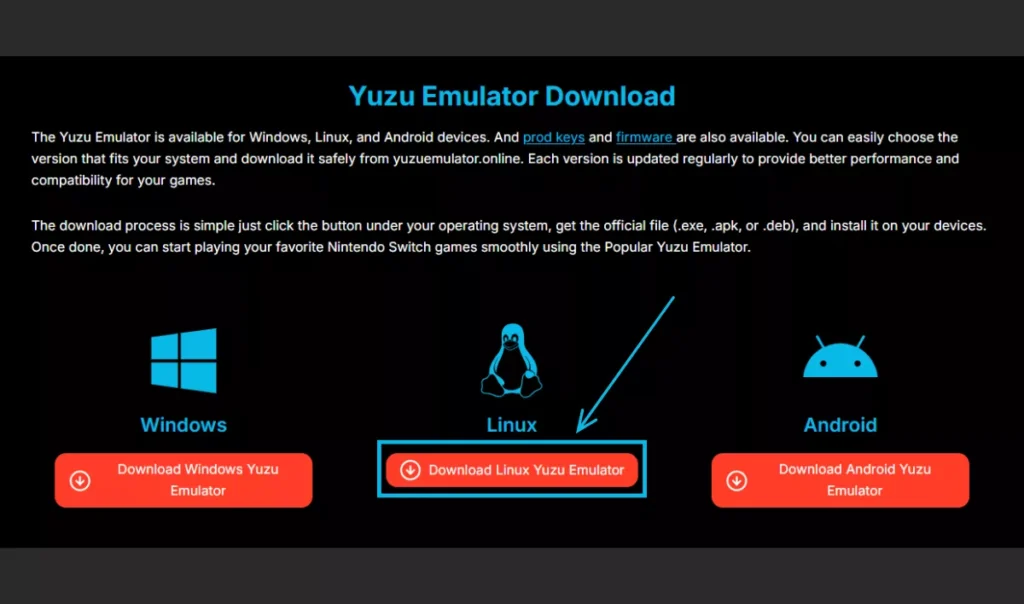
Once selected, you will be shown the AppImage file or Flatpak option for Linux. Select one based on your system. For advanced setups, refer to our Firmware installation guide before running your first game.
Step 3: Download the Linux Setup
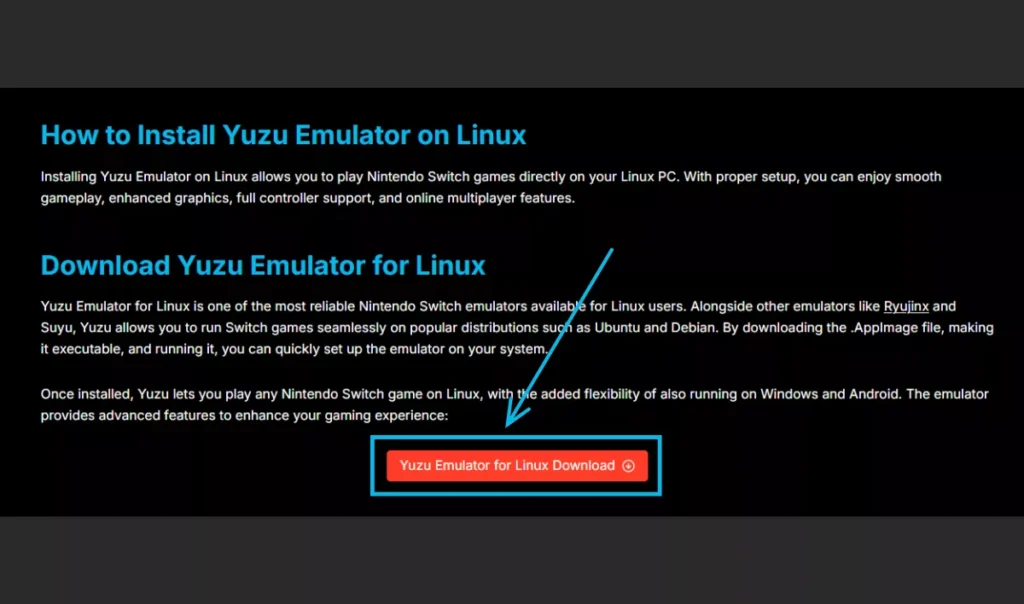
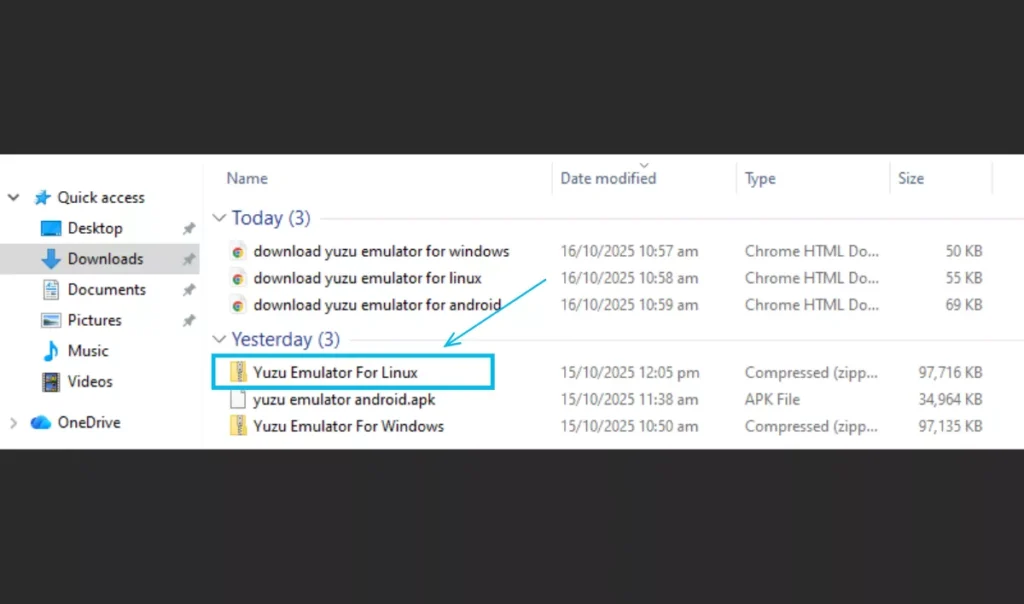
Now that you have selected Linux, it’s time to download the emulator. Make sure to save it somewhere easy to find, like your Downloads folder.
- The Linux version will usually be named something like
Linux-Yuzu-EA-4176.AppImage. - Click the download link and wait for the file to fully download.
Step 4: Install Yuzu Using AppImage
The AppImage method is the most recommended for Linux because it is portable and does not require system-wide installation.
Before running the file, you need to make it executable.
- Navigate to your Downloads folder where the AppImage is saved.
- Right-click the file
Linux-Yuzu-EA-4176.AppImage→ Properties → Permissions → check “Allow executing file as program”. - Click Save.
After this, double-click the file or open Terminal and run:
cd ~/Downloads
chmod +x Linux-Yuzu-EA-4176.AppImage
./Linux-Yuzu-EA-4176.AppImage
Yuzu should now open, ready for configuration.
Step 5: Optional Installation via Flatpak
Some users may prefer Flatpak, which automatically installs all dependencies. This is helpful if your Linux distribution has missing libraries.
- Update your system first:
sudo apt update
sudo apt upgrade
2. Install Flatpak if it’s not present:
sudo apt install flatpak
3. Enable the Flathub repository:
flatpak remote-add –if-not-exists flathub https://flathub.org/repo/flathub.flatpakrepo
4. Install Yuzu via Flatpak:
flatpak install flathub org.yuzu_emu.yuzu
5. Launch Yuzu with:
flatpak run org.yuzu_emu.yuzu
Note: The Flatpak method may not work if the repository is unavailable, so AppImage remains the most reliable method.
Step 6: Verify Installation
After launching Yuzu, make sure everything is working before adding your games:
- The interface should open without any errors.
- You can now connect your Xbox or PlayStation controller and configure graphics settings.
- Next, add Nintendo Switch keys and firmware to run your games properly.
Common Issues and Fixes
Even after successful installation, some Linux users face small issues while running Yuzu. Here are the 4 most common ones, along with easy fixes you can try right away.
Yuzu Emulator Not Opening on Linux
If Yuzu doesn’t start or crashes immediately after launch, it’s often due to missing libraries or corrupted configuration files.
- Open Terminal and update your system using: sudo apt update && sudo apt upgrade
- Make sure all dependencies like Qt5, SDL2, and Vulkan drivers are installed.
- Delete Yuzu’s config folder (
~/.local/share/yuzu/) and relaunch a fresh one will be created automatically.
Black Screen While Launching Games
A common issue many users search for, the game loads but only shows a black screen.
- Switch between Vulkan and OpenGL in Yuzu settings.
- Delete shader cache from
~/.local/share/yuzu/shader/. - Update your GPU drivers.
- Restart Yuzu and try launching again.
Low FPS or Stuttering Gameplay
If games feel laggy or slow, the issue is usually related to performance settings or outdated drivers.
- Use Vulkan instead of OpenGL for better performance.
- enable Multicore CPU Emulation under “Emulation → Configure → CPU.”
- Close background apps to free system resources.
- Keep your graphics drivers up to date.
No Audio or Sound Crackling
Many users report that audio doesn’t play or sounds distorted in games.
- Go to Emulation → Configure → Audio and select Cubeb as the backend.
- Increase the Audio Buffer Size slightly for smoother sound.
- Restart Yuzu after changing audio settings.
If performance issues persist, try Yuzu Emulator for Windows it performs better on some hardware due to driver optimization.
Frequently Asked Questions
Here you’ll find answers to the most common questions about Yuzu Emulator on a Linux. From game compatibility and performance tips to controller setup, these FAQs help you get the best experience.